War Stories
You want proof this works. Fair enough!
Below are the real situations I've navigated, the turnarounds I've led, and what people say about working together. Not theory. Not case studies written by marketing teams. Actual decisions, actual consequences, actual results.
Whatever pressure your business is under, or heading towards, you'll see I have been in the room before.
Marc's War Stories
Real situations I've navigated. Here's what happened and what I learned. For now I offer one story for financial markets, one from business leadership, and one from coaching. In the coming weeks and months I will share my stories across written and video posts, through my LinkedIn and newsletter, and here. Follow me for more!
When Markets Collapsed & Everyone Lost Their Heads
It's August 2011. The US has just lost its AAA credit rating for the first time in history. London's burning - literally. Riots spreading across the city. I'm sitting in a Swiss bank watching Bloomberg terminals turn blood red. Markets are in freefall. The Dow drops 634 points in a single day. Sixth largest drop in history.
I'm an investment consultant working with ultra-high-net-worth clients. These are people who've built fortunes over decades. Right now, they're watching those fortunes evaporate in real time. Their advisors are panicking. The news is screaming Armageddon. Every instinct is telling them to sell everything and hide.
My job isn't just analysis. It's holding people's hands through terror.
So I call client after client. We walk through the fundamentals versus panic-driven pricing. I show them historical parallels - times when markets felt like the end of the world but weren't. I explain why their gut reaction - sell now, ask questions later - is exactly wrong.
It's not easy. Every fibre of their being is screaming at them to run.
Markets bounced back. The clients who trusted the process, who kept their heads whilst everyone else lost theirs, used the crisis to buy at bargain prices. They made money on the rebound. Real money.
What I learned: When crisis hits, rational analysis matters. But so does the ability to hold your nerve and guide others through their fear. Numbers tell you what to do. Experience tells you when to act. Emotional intelligence helps others do what's right when everything feels wrong.
That combination is rare. It's also invaluable.
COVID Hit and Everything Stopped
March 2020. Revenue goes to zero overnight. Sales pipeline? Gone. Supply chain? Frozen. The business I'd been running for over a decade was suddenly fighting for survival.
Most leaders would panic. Some freeze. I'd been through enough to know neither works.
But COVID wasn't a single crisis. It was a cascade. Just when you thought you'd stabilised one thing, another bomb dropped. Shipping costs spiked. Chemical plants shut down - suddenly we couldn't get foam components. Metal prices shot through the roof. Then Russia invaded Ukraine and timber prices went vertical.
Every quarter brought a new existential threat.
Here's what I had to do: confront the brutal truth early. No self-deception about how bad things were. Create an aggressive plan and execute at pace. Have the difficult conversations - with suppliers, clients, the team - about pricing, supply, long-term relationships. Restructure the team whilst balancing cost management with responsibility to people whose livelihoods depended on us.
And then the hardest decision: hiving off parts of the business. Putting them into administration rather than letting them drag everything down. It's like chopping off a limb when gangrene sets in. You don't want to do it. But if you don't, the whole body dies.
The business survived. We preserved core capability. We positioned ourselves to go again rather than face total failure.
What I learned: Self-awareness and brutal honesty are everything. You have to act fast enough with aggressive enough plans. You have to make the tough decisions - even when they hurt - because waiting makes it worse. And you have to thrive psychologically in the chaos whilst others are panicking.
That's what crisis leadership actually is.
Making a 16-Year-Old Believe He Belonged
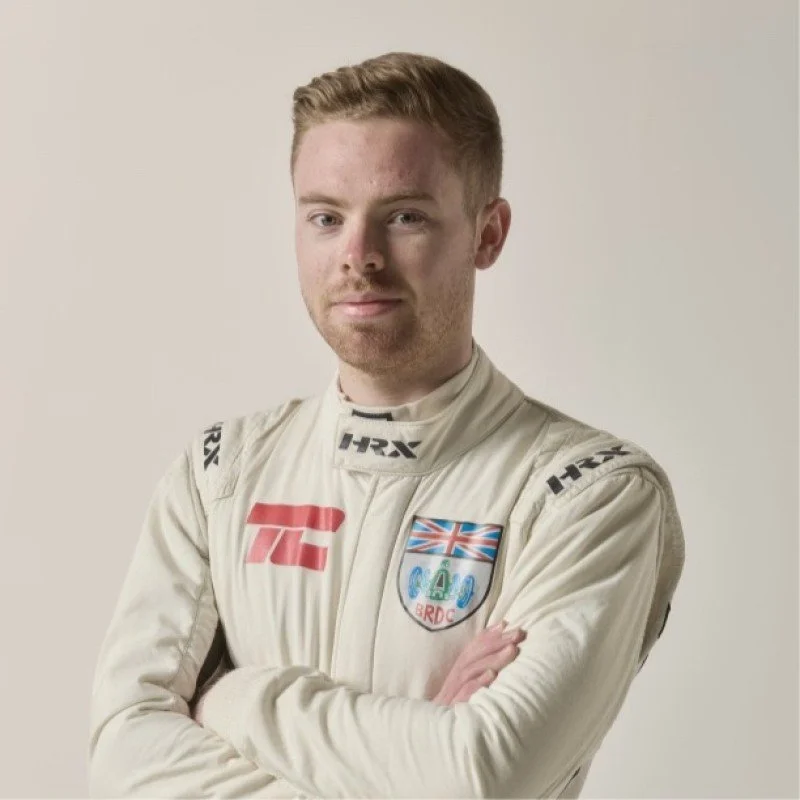
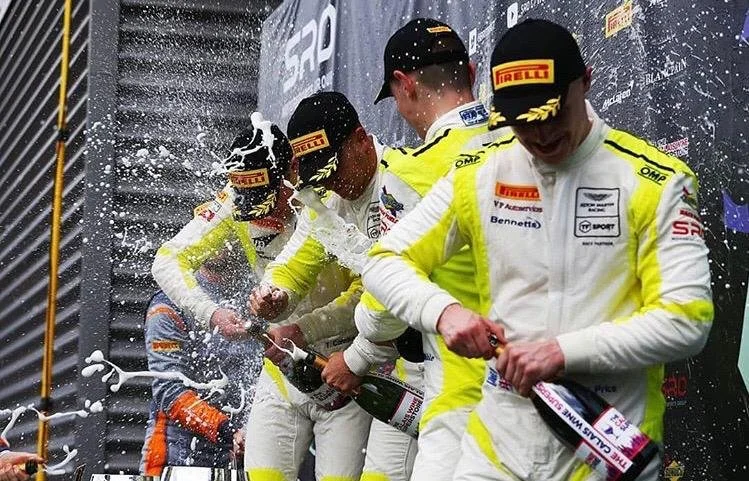
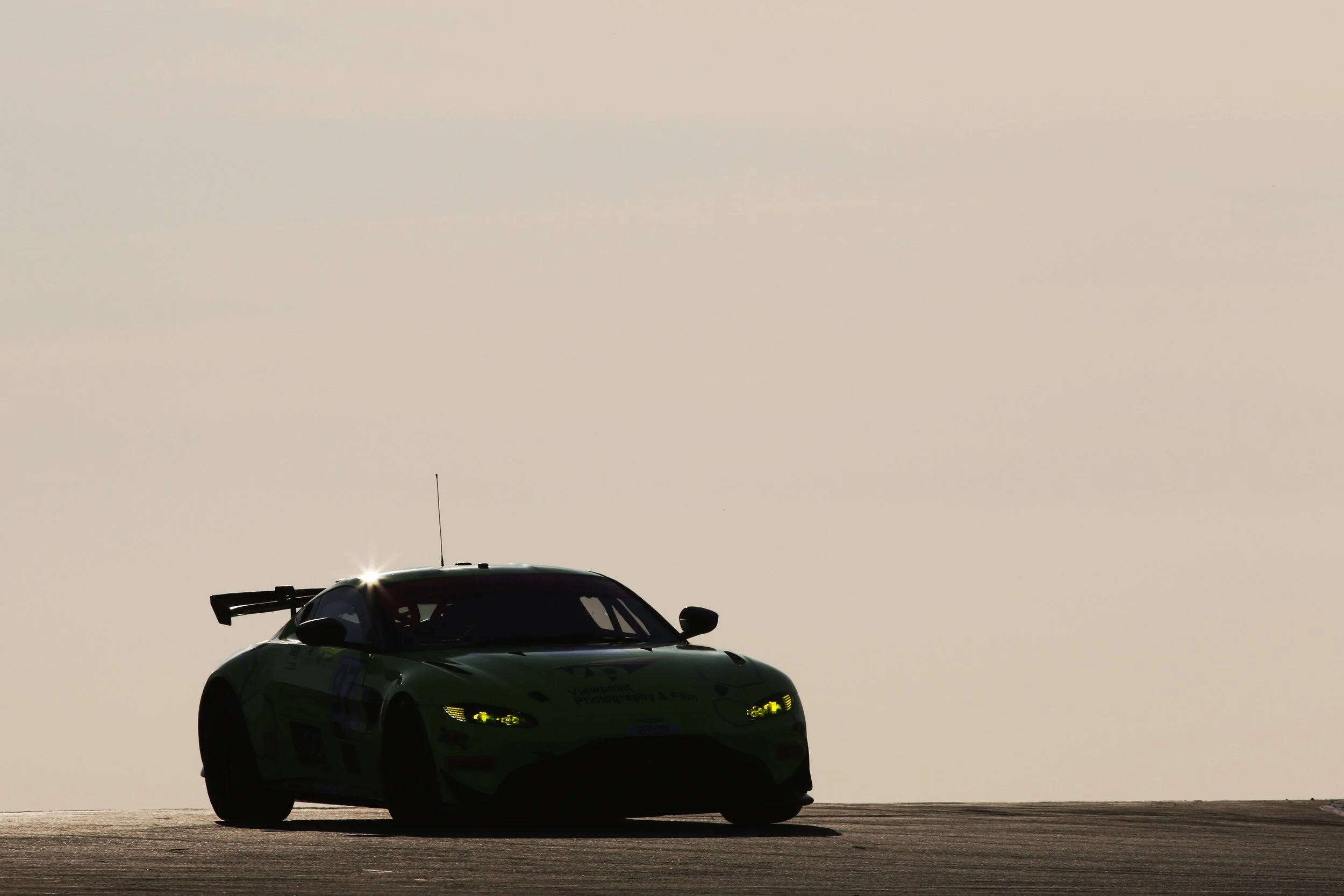
March 2018. Oulton Park circuit in Cheshire. Tom Canning is about to become the youngest driver in British GT history. He's 16 years and 35 days old. He's strapping into a 400 brake horsepower monster.
The field is stacked. McLaren works drivers. Ferrari. Aston Martin. Men with years of experience. Tom has one season of Junior Ginetta racing under his belt.
He looks at them and sees men. He looks at himself and sees a boy.
My job is simple but not easy: make him feel in control. Make him believe he deserves to be there. That he has the right to compete.
This is what I love. Watching exceptional people let their emotions rise and pass. Helping them make the right choices, then execute step by step.
I didn't just work with Tom at the circuit. I supported the broader life surrounding his race programmes. The mental transition from karting to cars - it's almost like entering a new sport. The pressure. The self-doubt. The voice that says you're not ready.
Tom later said: "Marc had a huge impact on me during this time by not only focusing on the 'at the circuit' areas but also supporting the broader life surrounding my race programmes."
The following year, Tom dragged his Aston Martin to the British GT4 title. Beat everyone in the process. Today he's a professional Aston Martin racing driver. He travels the world to test and race. He was signed by Aston Martin for something most racing drivers overlook: soft skills.
What I learned: Technical ability gets you in the room. The psychological side - managing pressure, belief, decision-making under stress - determines who wins. Elite performers need support on both fronts. The human side isn't soft. It's what makes the difference between good and great.
Recognise something in these stories? Find out where your business stands.
How The Work Unfolds
Phase 1 - Clarity
Phase 1: Clarity The business feels chaotic because you don't know what's actually wrong. We strip away the management accounts, the rationalisations, the wishful thinking. Within days, not weeks, you'll know exactly what you're facing: how much time you have, what's causing the damage, and what your real options are. Most leaders feel relief just knowing the truth, even when it's grim.
Phase 2 - Stability
Phase 2: Stability The business is haemorrhaging cash, trust, or capability. We stop the bleeding first: secure immediate funding, shore up key relationships, make the hard people decisions that have been delayed too long. This isn't about perfect solutions. It's about buying enough runway to think properly about what comes next. Stability work is brutal and unglamorous, but it keeps you alive.
Phase 3 - Transformation
Phase 3: Transformation The crisis is contained but the business still doesn't work properly. Now we rebuild: fix the operating model, strengthen the team, install systems that actually function. This is where most turnarounds either succeed or fail, because it requires changing how people work whilst they're still exhausted from the crisis. It's hard, slow, and completely necessary.
Phase 4 - Innovation
Phase 4: Innovation The business works, but it's not distinctive. This phase is rare because most companies either don't survive to reach it or don't want to keep pushing once they're stable. For those who do: this is where you build genuine competitive advantage, test new models, and position for growth rather than survival. This is where turnaround becomes transformation.
These stories are from the last era. The judgement they took, reading the real position before the comfortable story, acting while there was still room, rebuilding rather than patching, is the same judgement the next one demands.
The difference is that the disruption now is Cognitive Automation (e.g., genAI) reshaping what businesses sell and how they compete, and the work is to read that the way I once read a collapsing market or a frozen supply chain: position first, technology second, and early enough that you still have options.
TESTIMONIALS
-
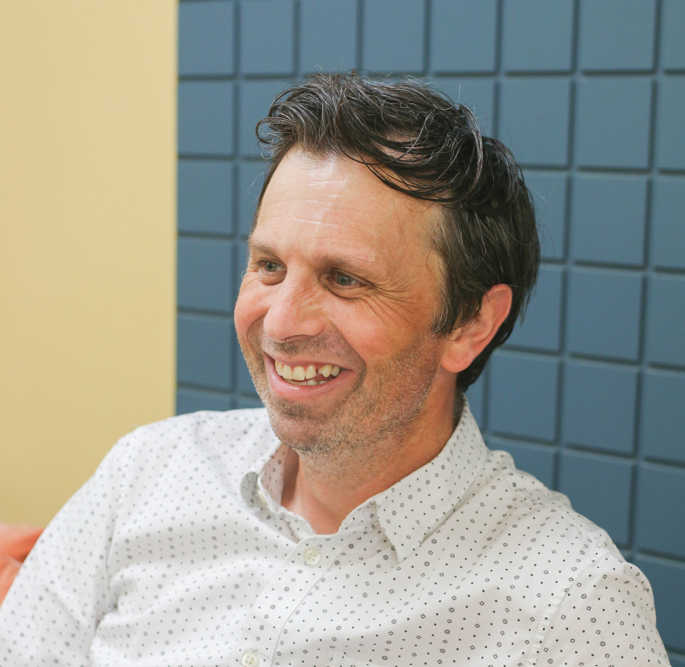
![A man smiling, sitting indoors with a blue tiled wall in the background.]()
Gary Chivers, Former Business Partner
“He cares deeply about seeing his people thrive, he is relentless and he is extremely capable. I would happily run into burning buildings alongside Marc, and smash through walls to drag people out.”
-
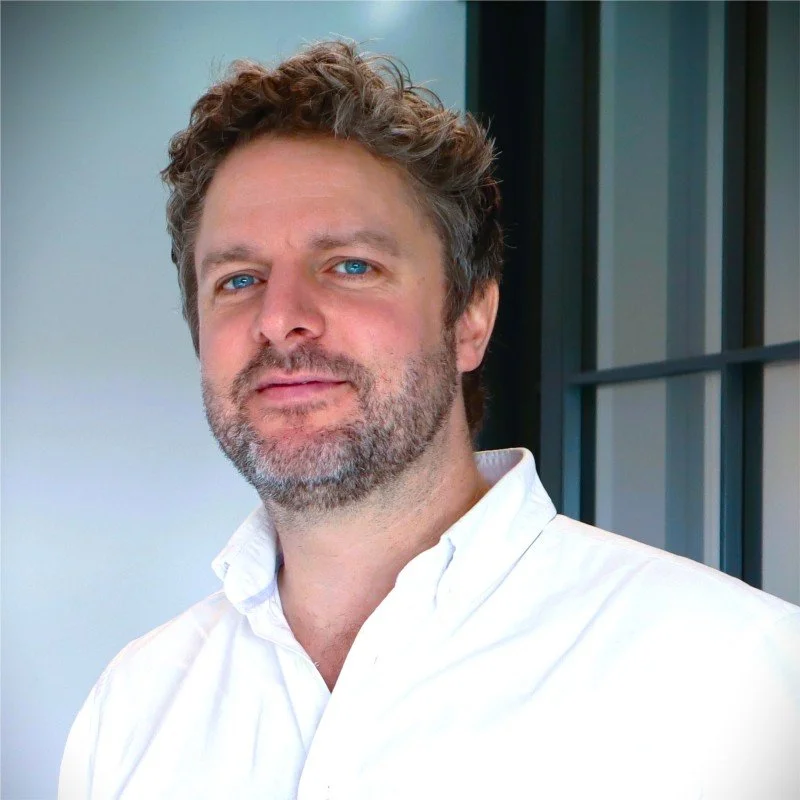
![A man with curly brown hair, blue eyes, and a beard wearing a white collared shirt, standing indoors near a window with black frames.]()
Ed Birks, Director
"Marc possesses an innate ability to cut through noise and identify the truth of a situation. He saw straight through the smokescreen that had been created and took decisive action at speed.
His work helped protect the wider group and significantly reduced personal and financial exposure for those involved. Beyond the crisis, his coaching and lived experience helped me move forward quickly - I've since appointed him as advisor to my business and Chair of the Board."
-
![A woman with blonde hair smiling, wearing a light-colored top]()
Annette Pettitt, Accountancy Firm Principal
“Marc is an exceptional coach and a steady hand in demanding circumstances.
He knows how to guide teams through uncertainty with clear thinking, practical direction, and a leadership style that inspires trust. His impact on an organisation’s ability to adapt and thrive is invaluable.”
-
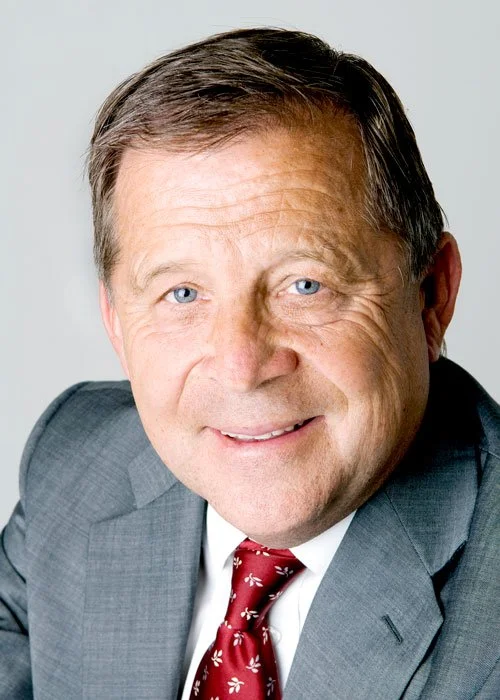
![Close-up portrait of a middle-aged man with light skin, blue eyes, and brown hair, smiling and wearing a gray suit, white shirt, and red tie, against a light background.]()
Chris Dunn, CEO of TDA Transitions & Learning
"In your consulting niche you have a lot to pass on - especially that 'first hand' lived experience. That sets you apart. There is no substitute for experience.”
-
![]()
Jasper Heinrich, Operational Leader
"Marc brought immediate clarity and direction during a period of real pressure. His calm leadership, structured approach, and clear plan gave the team confidence when it mattered most. We faced some big decisions, and his ability to cut through complexity and create clarity made all the difference."
-
![A young man with short blonde hair and a black athletic shirt smiling and looking to the side in what appears to be an indoor sports or fitness facility at night.]()
Tom Canning, Aston Martin Racing Driver
“I’m very grateful for the involvement from Marc and the impact he had on me and my career over these years as well as a relationship for life. I developed more than I could have imagined in almost all areas.”
-
![A man sitting in a large, dark leather armchair in a dimly lit room, leaning back with one hand on his chin and smiling slightly.]()
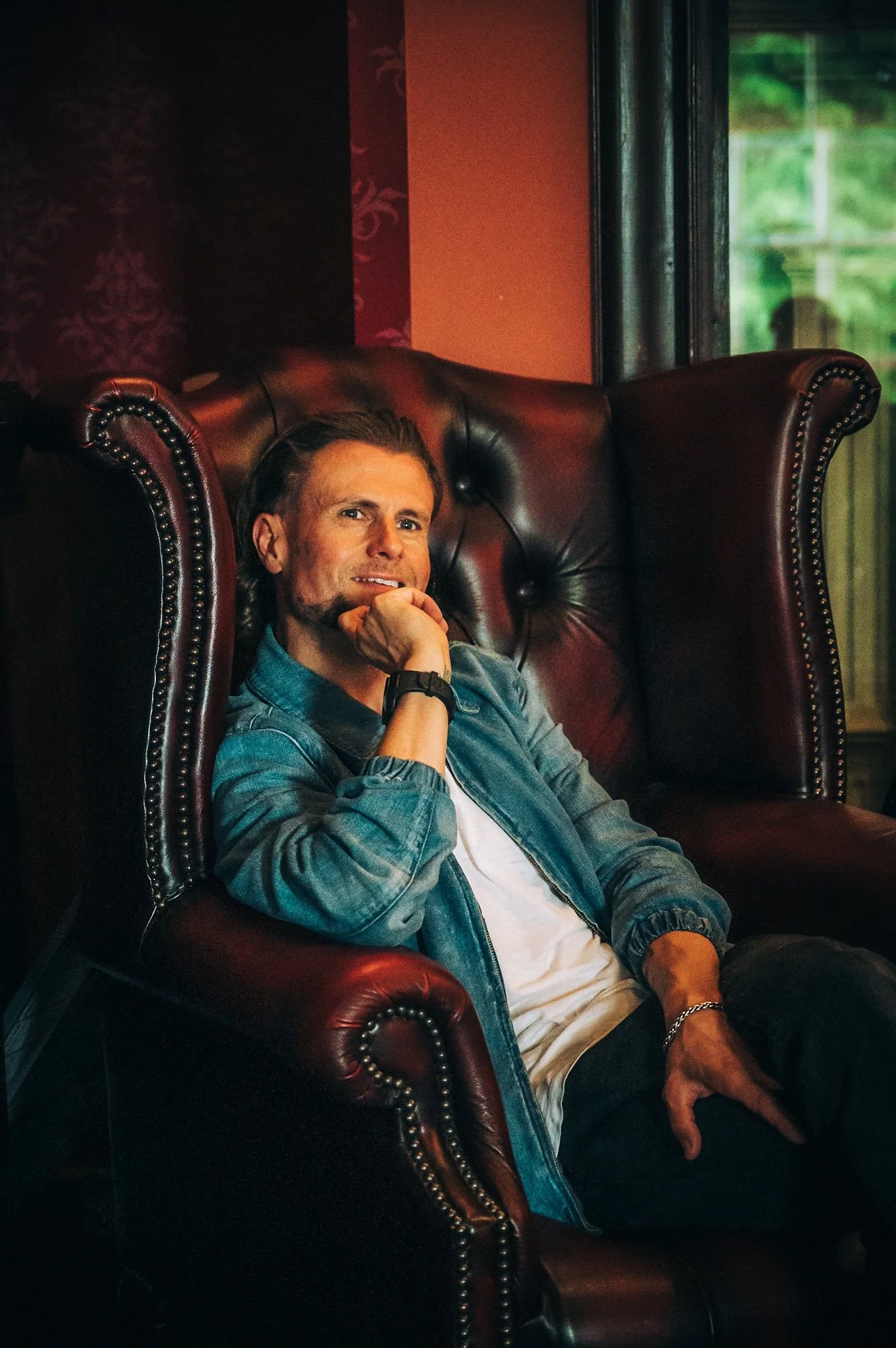
Martin Badder, Music Composer & Producer
"Marc is a very special person. His compassion and caring nature shine through in everything he does, and I felt a genuine connection with him. I am thankful for his impact on my journey."